Raspberry and almond friands

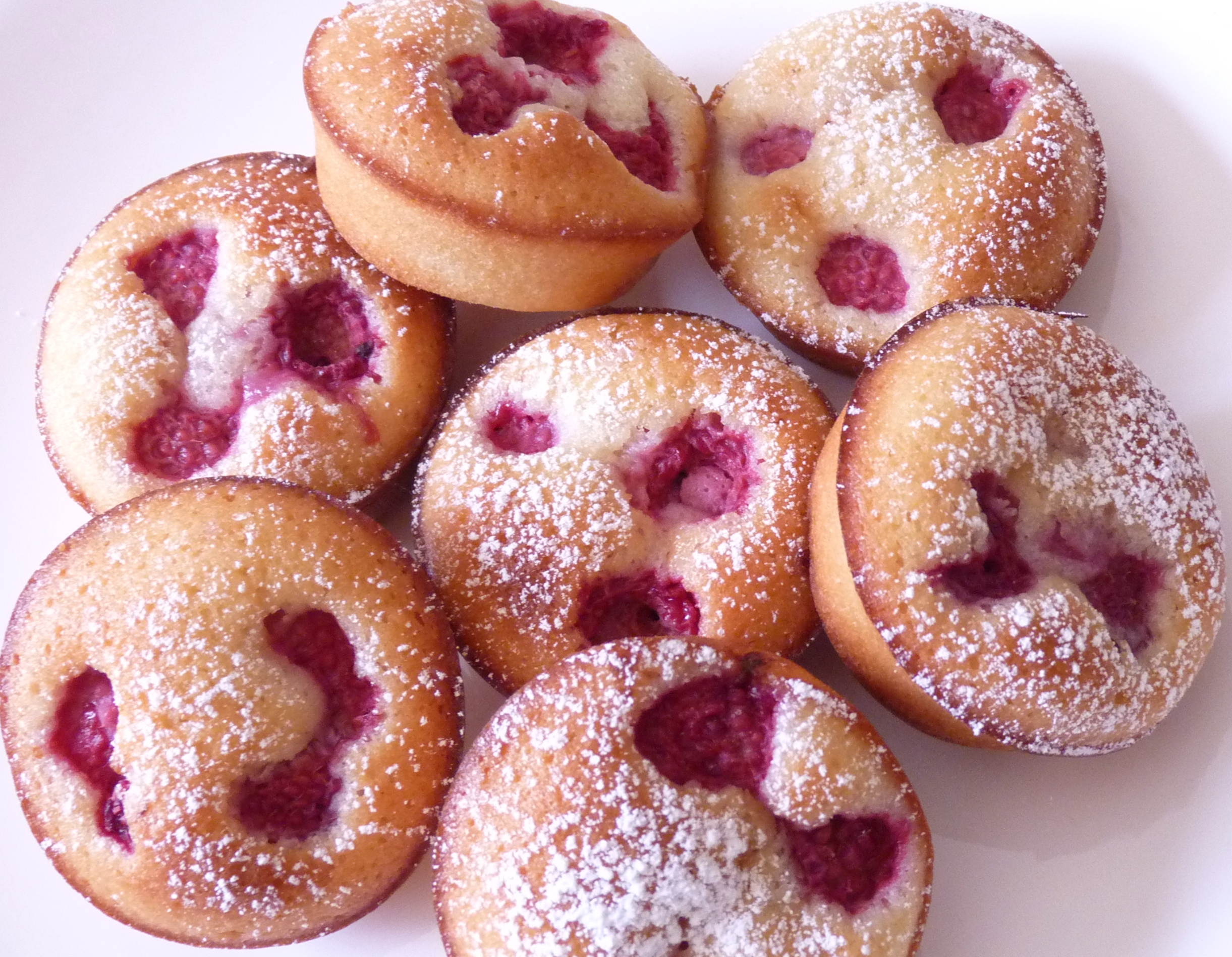
If you are looking for a simple but delicious tea time treat, then you really should try friands.  These dainty individual cakes are made from butter, egg whites, almond meal and icing sugar.  Originally from France, I’ve been told they are now very popular in Australia and New Zealand.
 
Raspberry and almond friands

Raspberry and almond friands

You’ll find the recipe I used in the latest edition of the free Waitrose late summer harvest recipe booklet and it is also on their website.  
 
The recipe calls for 4 medium egg whites.  If you don’t want your kitchen cluttered up with left over egg yolks, then you could try using liquid egg whites which are readily available in the fridge section of most supermarkets.  Not sure how much egg white is equivalent to 4 medium egg whites?  I didn’t know either so I weighed the egg whites as I made the cakes and can reveal that they were 140 grams (always good to know). 
 
The only change I made to the recipe was to substitute raspberries for the plums.  It would also work well using other soft fruits, lemon or even chocolate.  Really, you could be as creative as you like.  
 
Friand, according to my French-English dictionary, means “fond of”.  Once you have tasted one of these lovely, light as air cakes, you will be fond of them too.  Enjoy!
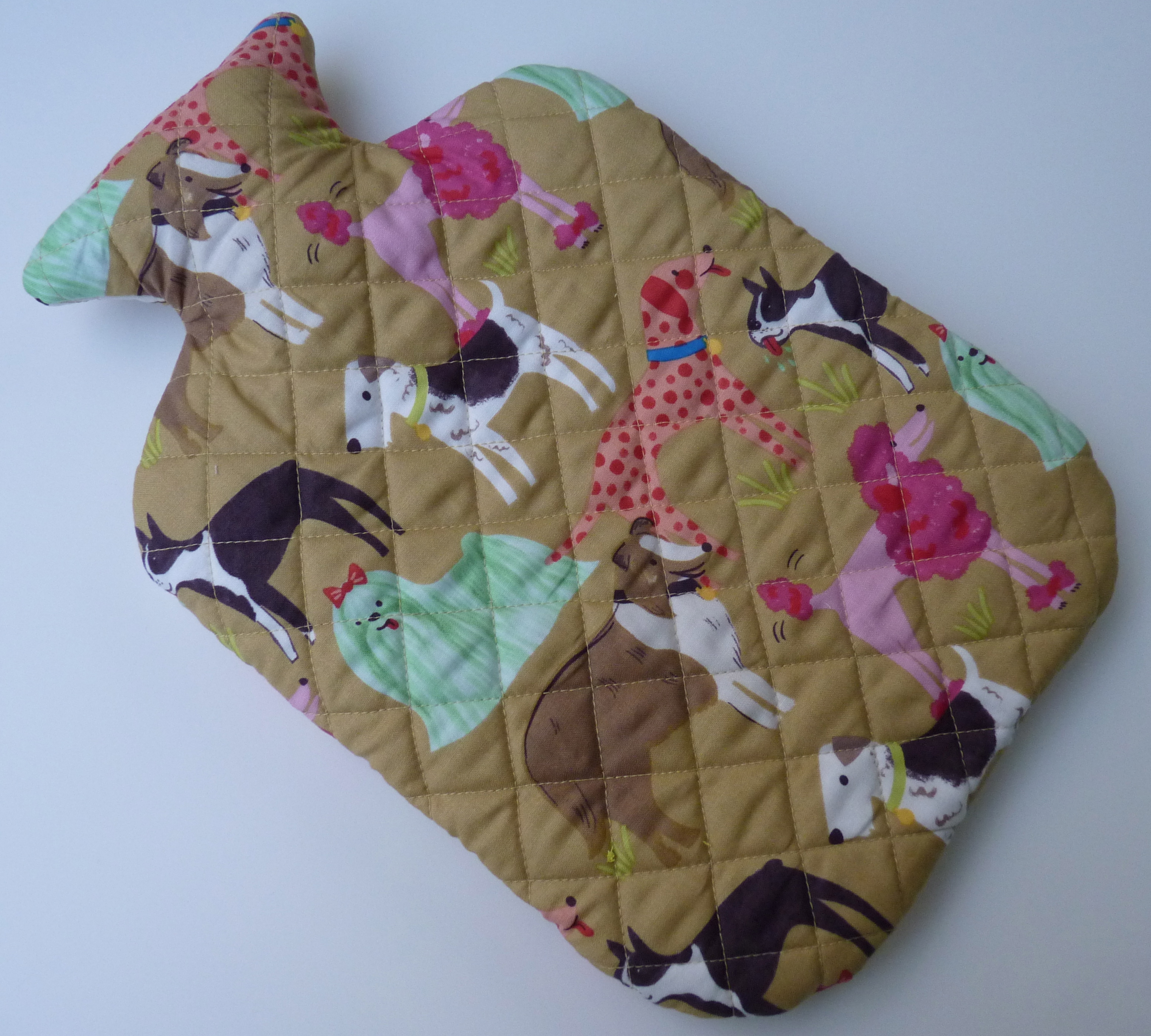
Bespoke hot water bottle covers

Last week I was busy making some hot water bottle covers that were a custom order destined as presents for some special people.
 
Firstly, I was asked to make a hot water bottle cover suitable for a 13 year old girl.  It could not be too pink or overly girly as the recipient is a bit of a tomboy.  This quirky dog fabric from the Best in Show collection by Maude Asbury fitted the brief perfectly.  It is so cute!  There is also a cat design in this collection if that is more to your taste.
 
Customised hot water bottle cover

Bespoke hot water bottle cover

A pinky-peach toned spot fabric (shown as the background) was used for the lining and I used Kona solid in Cactus for the binding.  The spots were a great choice in another unexpected way.  Their fortuitous alignment meant that I could easily quilt the fabric by simply joining up the dots.
 
Customised hot water bottle cover

Bespoke hot water bottle cover showing lining

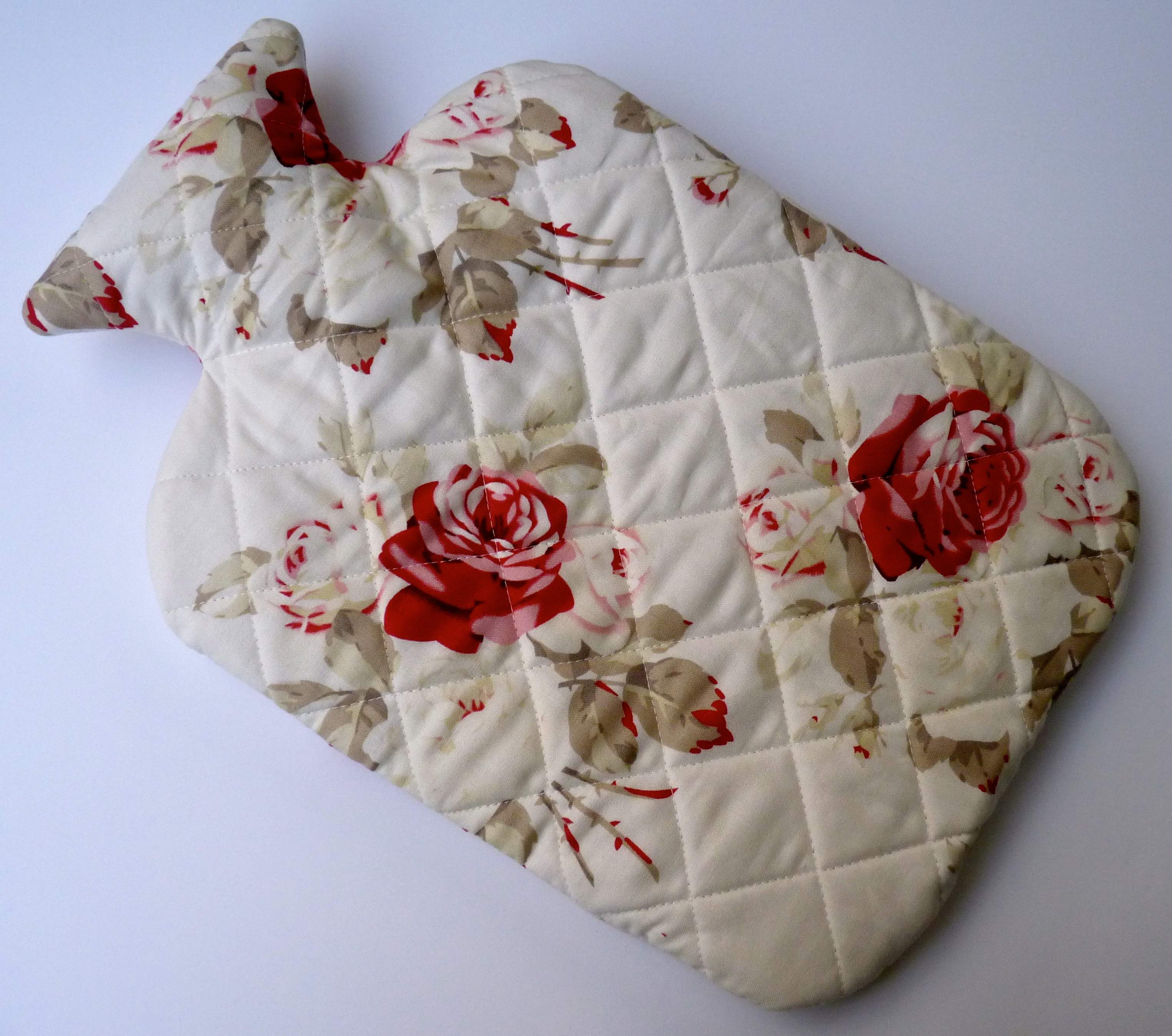
 The second cover was for someone who I was told would live in The White Company if they could.  For the outer cover I chose the white large rose fabric from the Petal collection (sadly now discontinued) by Tanya Whelan.  
 
Bespoke hot water bottle cover

Bespoke hot water bottle cover

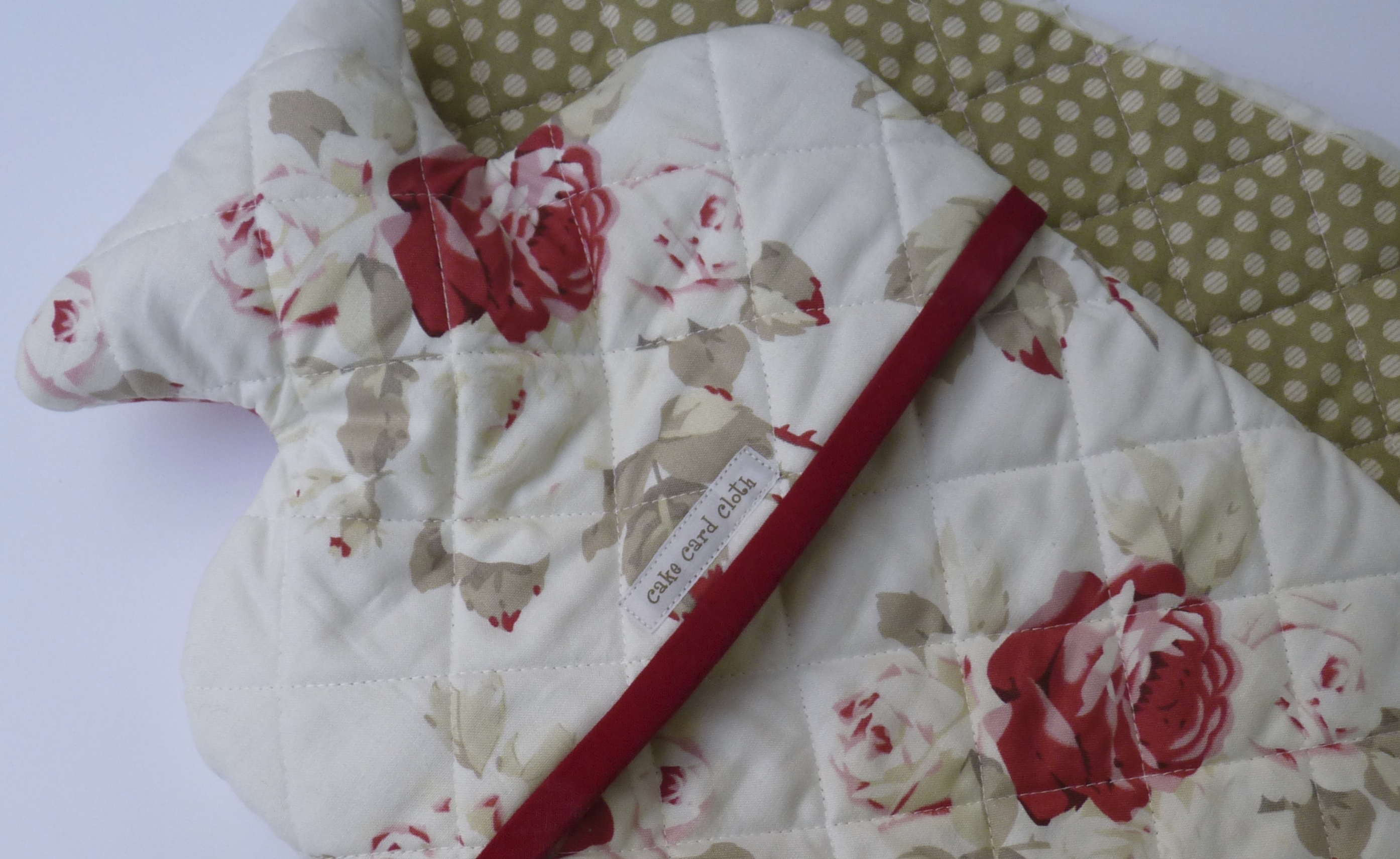
The lining is a sage green spot fabric and I chose a deep red solid for the binding.  In this case, I couldn’t take the easy option of just joining the dots when quilting as these spots were irregular.  Instead I drew lines on the fabric with a water soluble pen and used these as a quilting guide.   
 
Customised hot water bottle cover

Bespoke hot water bottle cover showing lining

Some might think it a waste to use such lovely fabrics for the lining, especially when it is not on show.  I disagree.  To me it is a secret surprise only seen when the cover is opened for filling.  It is that little extra that makes it more luxurious and a bit special.
 
When making the covers I used Emma’s fabulous instructions as previously.  The only change I made was to quilt the fabric as a block first and then cut the pieces, rather than quilting the pieces individually.  I found a block of fabric easier to manipulate on the sewing machine and there was the added bonus that the quilting lines on the pieces matched beautifully (yay!).
 
Hot water bottle covers make a great gift for people of all ages and at any time of year.  Pick colours and fabrics that you know they will love and you will be giving a gift they will treasure.   Do get in touch if you’d like to order a customised hot water bottle cover as a gift for yourself or for someone special.   I’d love to help you make the perfect present.


Gender neutral baby quilt

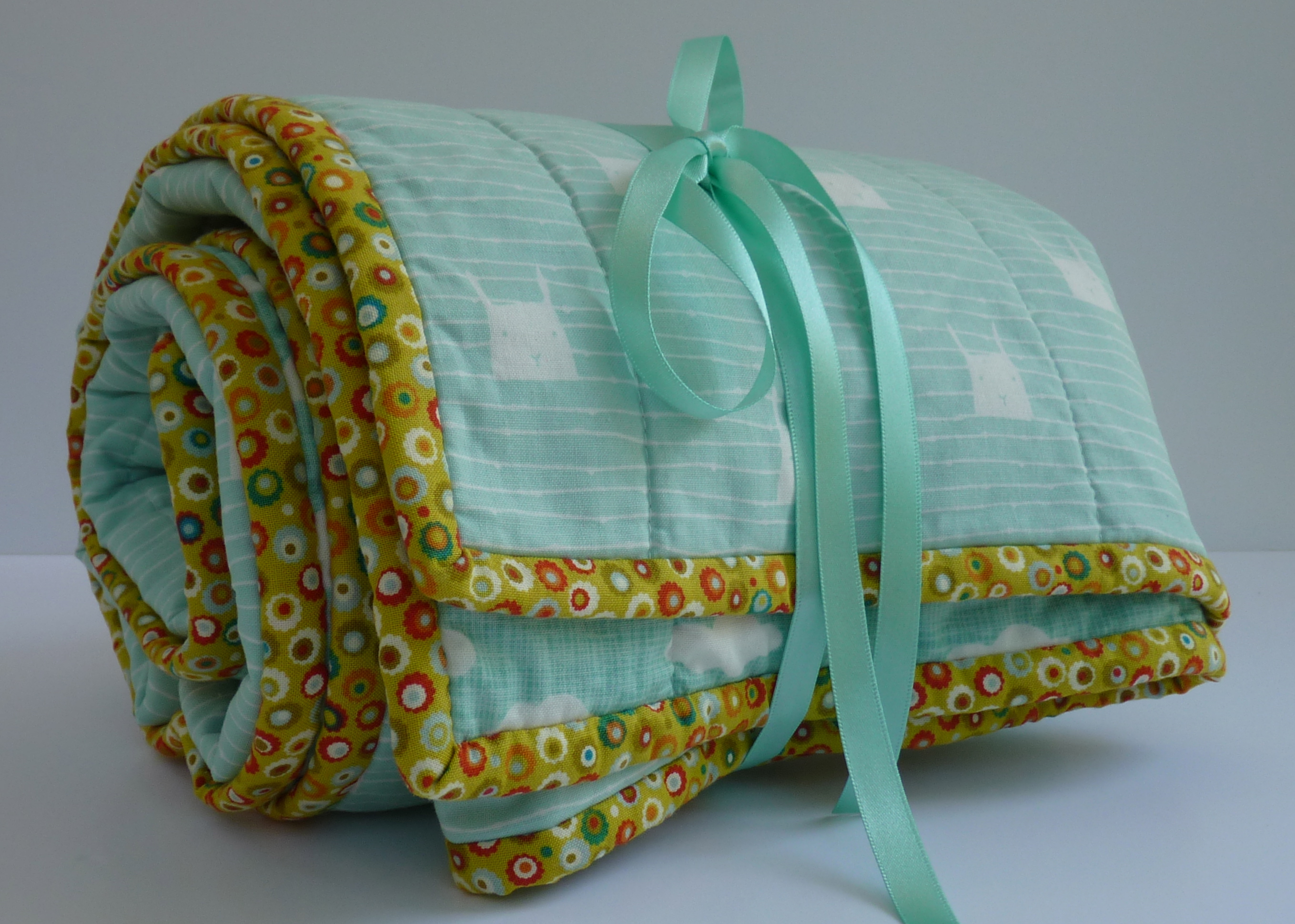
When I saw this gorgeous rabbit fabric, I knew it would make a lovely baby quilt.  It is sweet without being overly babyish.  The stylish choice for all modern babies.
 
I have used it to make a whole cloth quilt using the same tutorial from Brighton Sewing Centre that I used for a previous quilt.  The only change that I made was to cut the main fabric one inch larger on all sides to allow for shrinkage.  
 
Crib quilt

Baby quilt

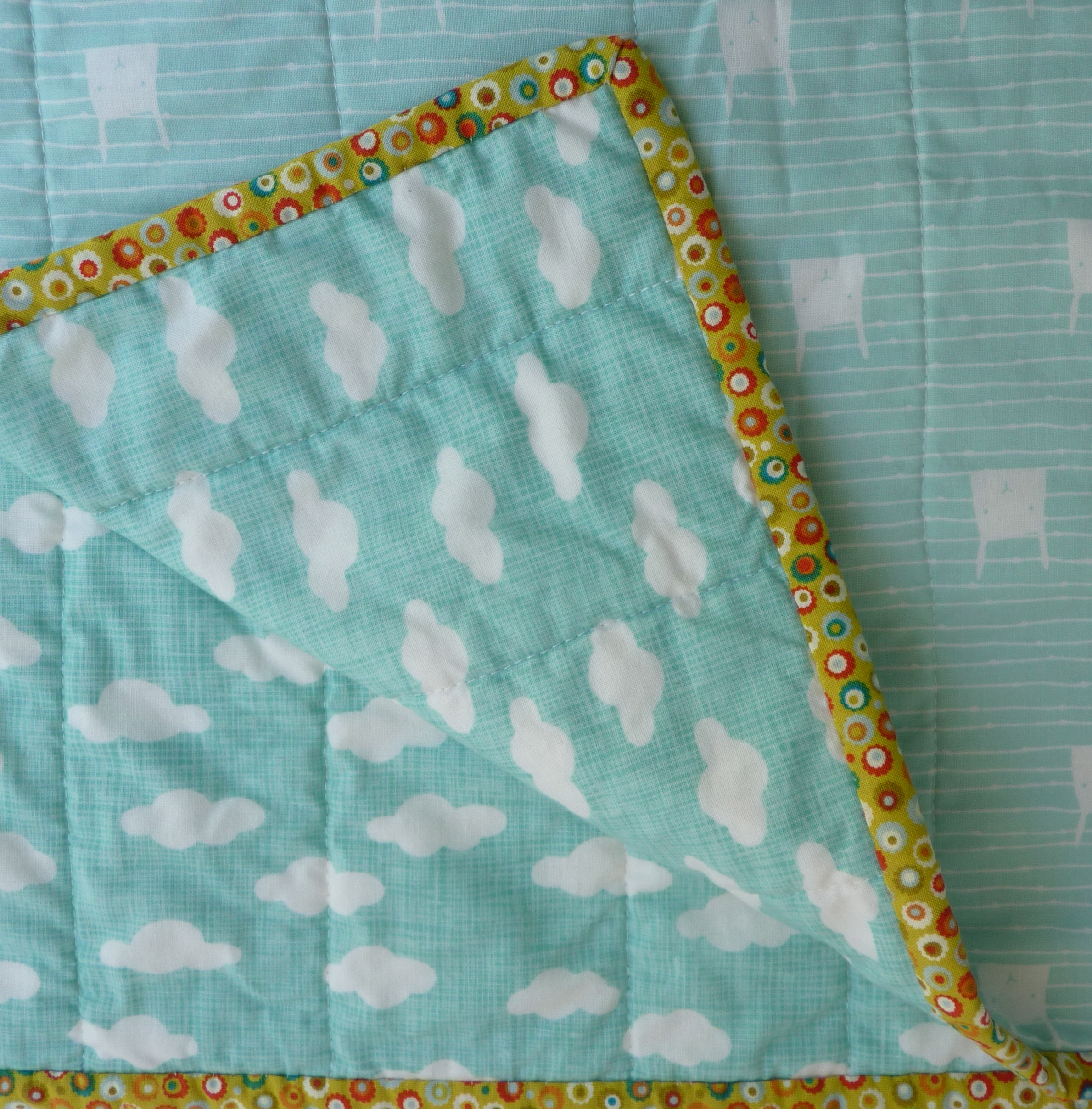
I chose the rabbits in a gender neutral aqua however it also comes in an equally pretty peach.  The backing is a gorgeous fluffy cloud fabric from the Storybook collection from Moda.  Perfect for sweet dreams.  
 
After auditioning lots of fabrics for the binding, I finally settled on this gold spot print which adds just the right amount of colour.  As before, I quilted in straight lines by eye whilst taking care to avoid the rabbits.  
 
Crib quilt

Baby quilt

The final quilt is about 1 metre square and has been washed to give it that lovely antique look.  And as it is 100% cotton, it feels cuddly and soft.
 
If, like me, you have fallen in love with the bunny fabric I have used (part of the Dress Me For The Playground collection by Dear Stella), it is available from Fabric HQ.  

Foundation piecing

Triangles and me; we don’t get on.  I have tried but found them just so tricky.  My triangle blocks did not come out square and as for matching points – what a nightmare!  There had to be a better way.
 
Thankfully the fabulous Karen Chapman came to my rescue.  She has years of quilting experience and claimed that sewing triangles and matching points was as simple as sewing on a line.  She promised to reveal all at an introductory workshop on foundation piecing held recently at Fabric HQ.  I did not have to think twice before booking a place.
 
So what is foundation piecing?  It is a traditional technique where fabrics are sewn together through a foundation material (could be paper or fabric) that has the block pattern printed on it.  The fabrics are placed right sides together, pinned to the back of the paper and then you sew along the stitching line with the paper uppermost.  Easy peasy!  
 
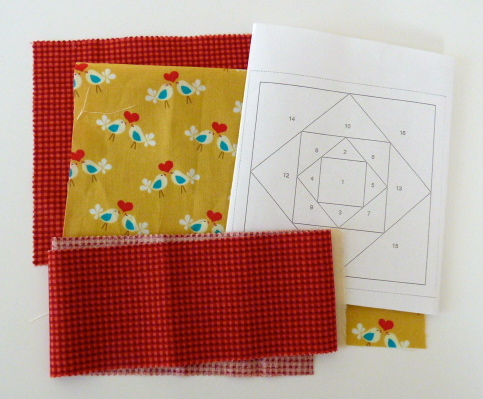
Foundation piecing - materials

Foundation piecing – materials

Above are the materials that I used for the class, (plus an Add a Quarter ruler and an old postcard – not shown).  Notice how tiny those inner triangles are?  Thank goodness this class was a triangle-cutting-free-zone.  Instead we got to work with nice, well-behaved squares and rectangles.   Just in case you were wondering, the numbers on the foundation paper indicates the order in which the pieces are sewn together.   I neglected to take any photos as I was piecing the block however there are loads of tutorials on the internet if you want to find out more about the process of foundation piecing.
 
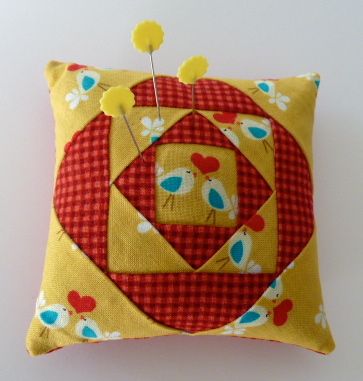
So is foundation piecing all that it claims?  Absolutely!  Check out the triangles on my finished pincushion and judge for yourself.  
Pincushion - foundation piecing
Pincushion – foundation piecing
 
Thanks to Karen I have now overcome my fear of triangles.  I can’t wait to use this technique to make stars and other more elaborate quilting blocks over the coming months.  Watch this space! 

Adventures in free-motion embroidery

Over the past few months, I have been exploring free-motion embroidery.  In an earlier post, I showed off a cute little owl that I made with Sam at Fabric HQ.   I felt pretty chuffed with the result and wanted to do more.
 
Then I saw that Claire from My LoftLines was holding a class on free-motion embroidery.  If you haven’t seen Claire’s work then you absolutely must.  It is gorgeous.   It is quite different from Sam’s style in that Claire’s work is more machine embroidery with little touches of fabric.  I signed up straight away.
 
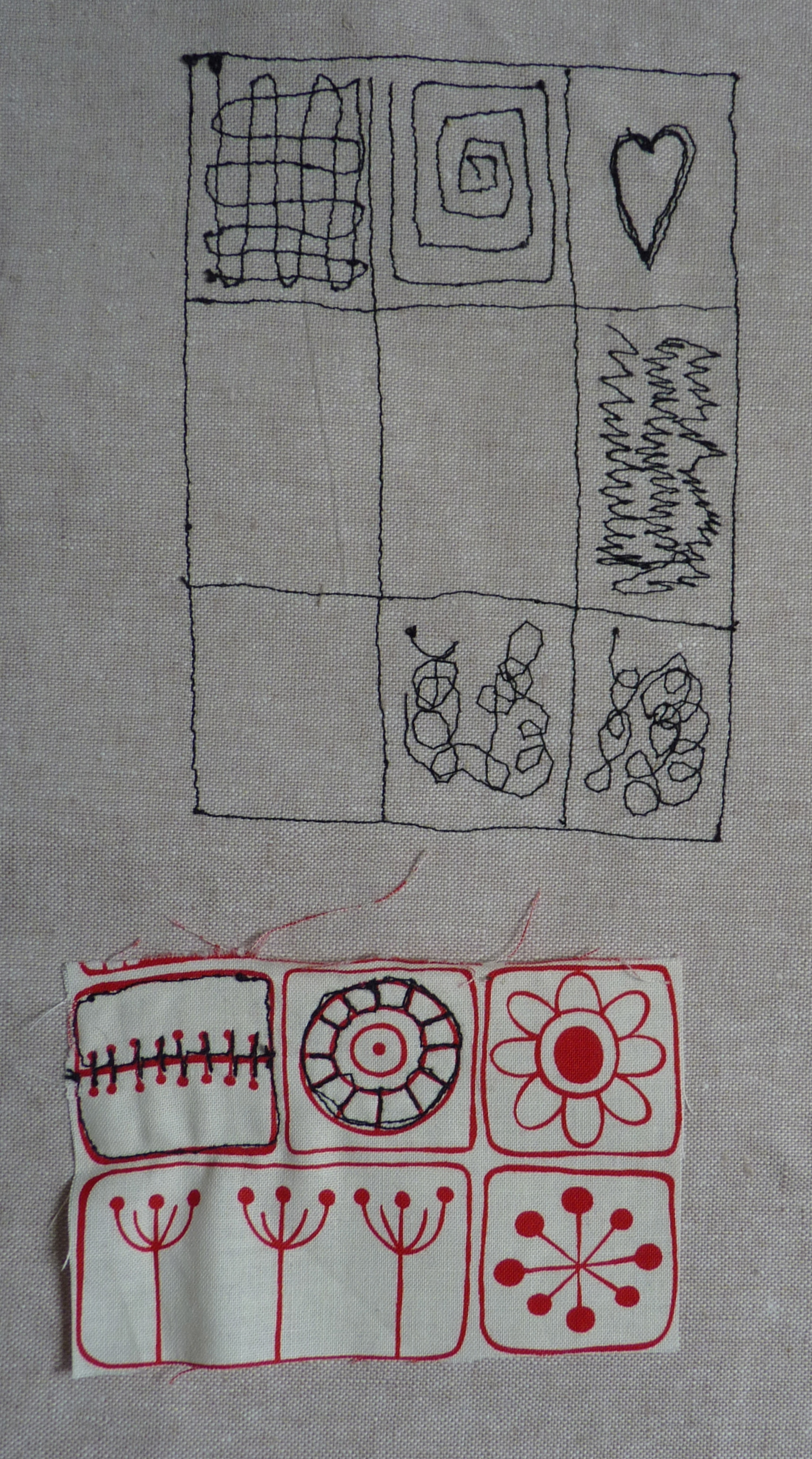
Claire’s class was run over two sessions.   For the first session, we practised using our sewing machines to embroider patterns and to follow lines over fabric.
 
Free-motion embroidery exercises

Free-motion embroidery exercises

This exercise I found very challenging, especially when sewing over fabric.  Claire uses glue (glue!) to hold down the fabric before embroidering over it.  I’ll let you into a secret.  I hate glue.  Give me bondaweb any day.  I have nothing but admiration for Claire’s skill in getting her fabric to stay put using glue.  Mine just puckered and went all wonky.
 

On to week two.  Like all the worst students, I did no practice homework in between the classes.  My drawing skills are non-existent so you can imagine my distress at the thought of having to come up with a picture to convert into fabric art.

On my way out to the class, I grabbed one of my favourite books – “The Comic Adventures of Boots” by Satoshi Kitamura (I just love this book.   It makes me laugh and I find something new in it every time).  It is designed as a graphic novel so I searched through it desperately to find the simplest image that I could.
 
So, after much trial and tribulation (and a lot of help from Claire who thankfully has the patience of a saint), let me introduce you to Boots the cat.
 

Boots the cat

Someone, who shall remain nameless, said that Boots is saying “Oh, no” because he has just realised that his paws have turned into oven gloves.  As is the way with these things, once the thought is out there, oven gloves are all that you see (sigh).
 
Boots is now framed and has a permanent place in my workroom (otherwise known as the dining room).  He will be there to remind me that nothing in life is as bad as looking at your paws only to find that they are now oven gloves.
 
If you are eager to try free-motion embroidery then you can book a class at Fabric HQ or check with Claire.  If you can’t wait and want to just get stuck in right now, then have a go at this lovely free tutorial from Simple Pleasures Sewing School.  It would make a fabulous housewarming gift for yourself or someone special. 

Lavandula – a photo story

Many of you may have wondered about the card in Cake Card Cloth.  Well, it refers to photography (mainly black and white film photography and chemical processing) which I studied for many years.
 
Usually I hand print my photographs.  This time however I had some art cards printed as part of my exhibition for Bucks Open Studios.
 
Lavandula photo montage

Lavandula photo montage

These images are from a series of photographs I took at Lavandula, a restored farm originally settled by Swiss Italian immigrants in the 1860s.  It is nestled in a valley near Hepburn Springs in Victoria, Australia near to where I grew up.
 
Crossing the ford and walking through the entrance to Lavandula feels like stepping through a time portal. Suddenly, you are in Provence.  You can hear the clack of balls as people play petanque on the lawn. There is a lovely restaurant/cafe selling delicious Italian meals and lavender ice-cream. Everywhere you look is a feast for the eyes. It really is a magical place.
 
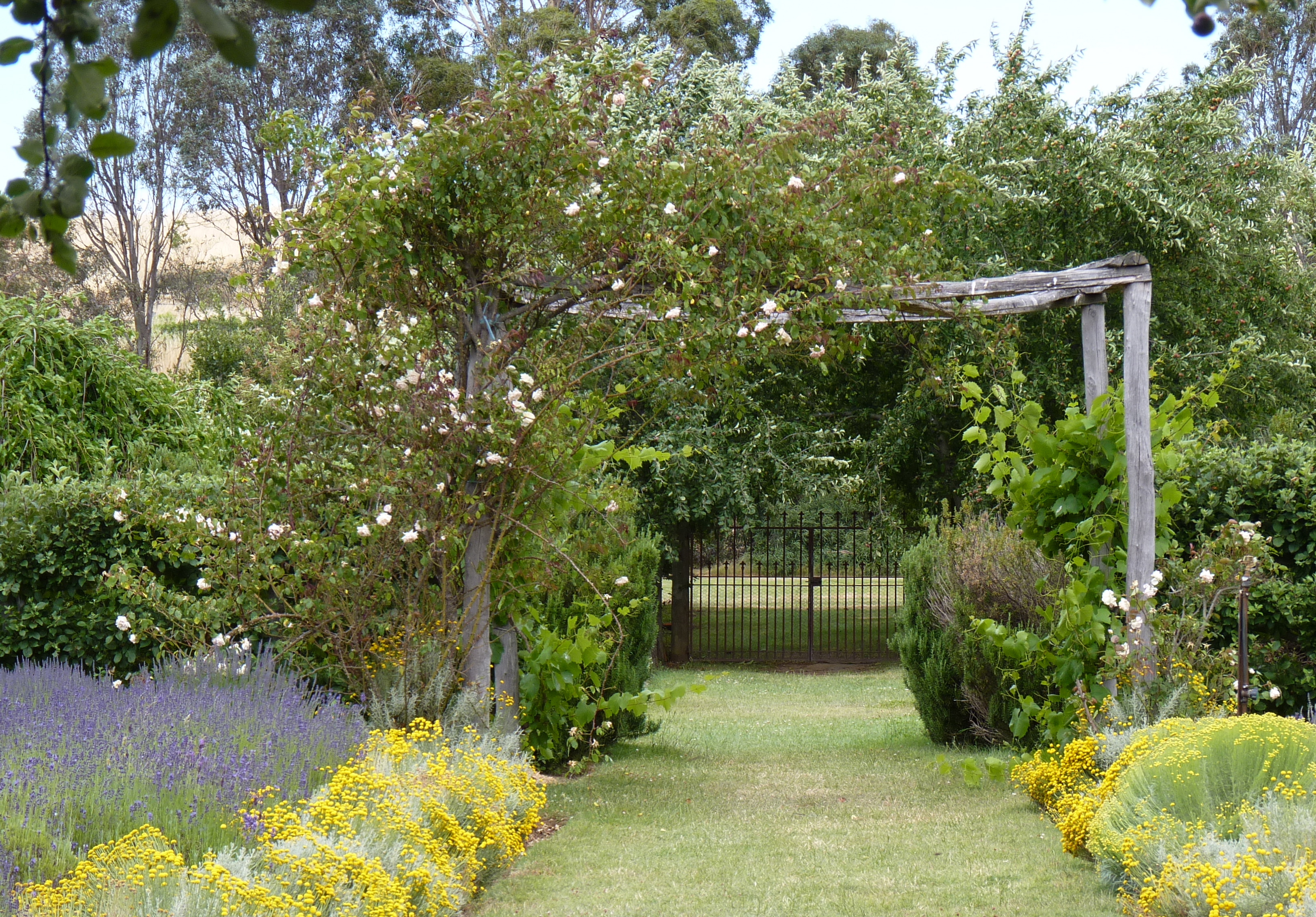
Lavandula gardens

Lavandula gardens

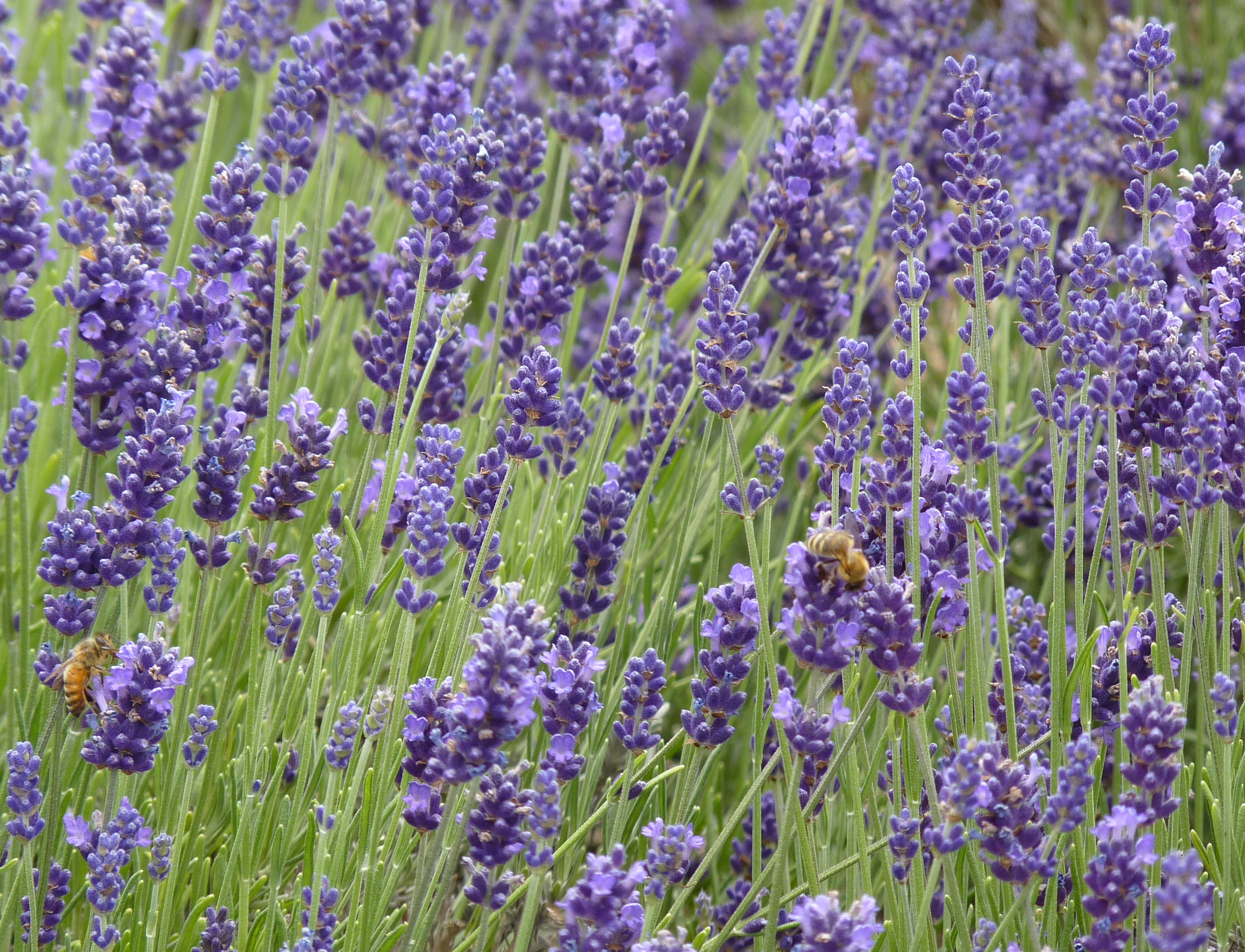
The gardens are so peaceful and serene. You can hear birds singing and bees buzzing. A little creek babbles gently near the entrance and all is suffused with the calming scent of lavender.
 
Lavandula lavender

Lavandula lavender

As you can tell, I love Lavandula. I have visited it many times, in all seasons and it is always beautiful. It is my favourite place in all the world. Whenever I return home to Australia I make a point of going there. If you get a chance, I highly recommend a visit.

Fresh cut coin quilt

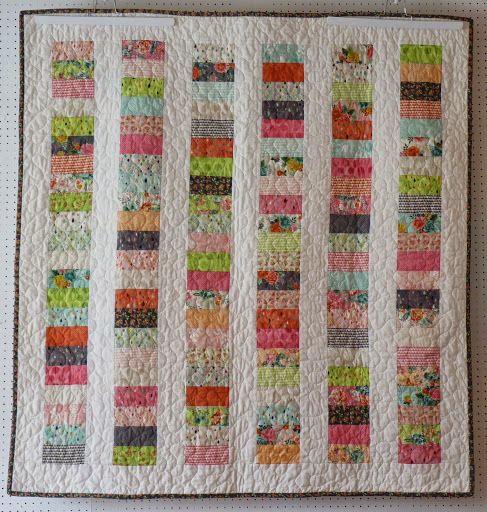
Fresh Cut is the latest design by Basic Grey for Moda.  I snapped up a couple of charm packs (5 inch squares) as soon as it arrived in the UK.  It is a gorgeous collection of soft aqua, peach and beige with accents of hot pink, bright green, grey and a really lovely spicy orange.  It reminds me of a summer garden just after a shower of rain. 
 
Now, what to make with it?  Rather than take the easy option and just sew the squares together, I decided to stretch my charm squares with a background fabric to get a larger quilt.  So, ta dah,  here you have another coin quilt.


This design is super easy to put together.  Simply cut the charm pack squares in half to make the fabric “coins” and sew them back together again in long columns, interspersed between columns of a background fabric.   
Coin quilt detail
 
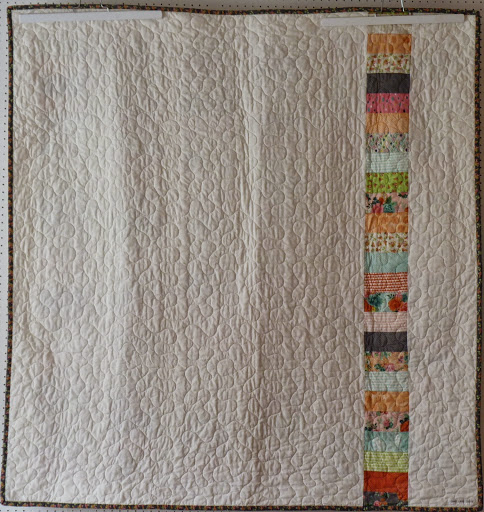
Charm packs make a LOT of coins to play with.   I had so many left over that I incorporated a single strip on the back, making the quilt fully reversible.
 
 
I wish I could show you a close up of the background fabric but it just would not photograph.  It is a really lovely off-white tone on tone pattern of little crosshatches from the Doe collection by Carolyn Friedlander.
 
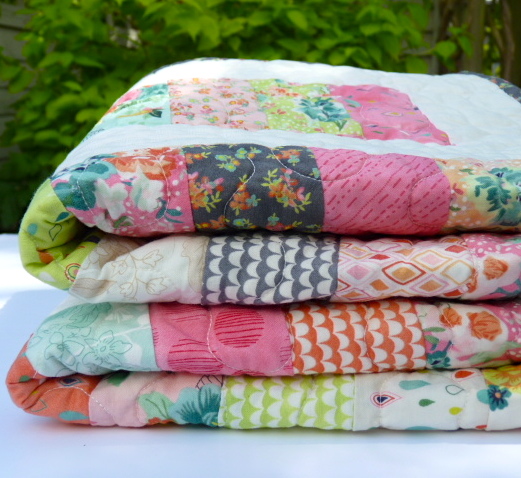
For the binding, I chose the tiny floral with the grey background from the Fresh Cut collection which makes a lovely frame for the quilt.
 
This quilt is a great size, about 50 inches square.  Just right for a sofa throw or to keep at the end of the bed for those chilly nights.

Chocolate rose cupcakes

Mmmm chocolate.  There is something about the smell of chocolate that is just so delicious.  Today, whilst it was pouring rain outside, I spent my time in a warm kitchen making chocolate cupcakes. What a life!
Chocolate and roses just seem to go together so I decorated  my cupcakes with glossy chocolate ganache (hint – always make extra to have with toast later – it is delicious!) and hand made fondant roses.  Usually I colour my own fondant however this time I used a ready coloured one from Renshaw called fuchsia pink.  Don’t you think the strong colour looks great against the dark chocolate? 
 
If you haven’t made ganache before you really should give it a try.  This is the recipe that I use and this amount should be enough to decorate 12 cupcakes.
 
100gm dark cooking chocolate
100ml of double cream
 
Break the chocolate into small pieces and put it in a heat proof bowl.
Heat the cream in a saucepan until small bubbles appear on the edges but don’t let it boil.
Pour the hot cream over the chocolate and let it stand for a couple of minutes.  
Stir the mixture until it is lovely and glossy.
Spread the ganache over your cupcakes using the back of spoon.
Any left over ganache can be stored in the fridge for your toast the next day.  Enjoy!

Whole cloth baby quilt

A new baby calls for something special.  In this mass market age, it is often difficult to find a gift that is individual and unique.  
 
A little whole cloth quilt such as this one fits the bill perfectly as it is relatively quick to make and can be made in any combination of colours or fabric patterns you choose.   What is a whole cloth quilt, you ask?  Good question.  A whole cloth quilt has the top layer made from a single large piece of fabric, without patchwork or appliqué.  Often they are very heavily quilted in intricate patterns.  In this example, less so.
I made this one in about two days following a Brighton Sewing Centre tutorial.  It is a mystery to me as to how they made their version in an afternoon.  Perhaps they meant they only worked on it in the afternoons.  Anyway, moving on.
 
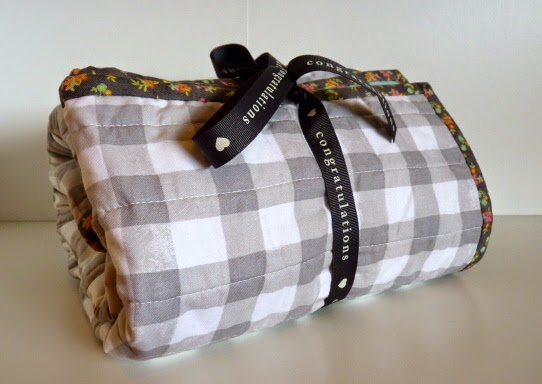
The tutorial makes a lovely crib quilt, about 1 metre square.  I used a pretty aqua for the backing and a gorgeous grey floral print for the binding.  As per the tutorial, I quilted in lines following the gingham check.  The quilting is not that obvious on the gingham, however it shows up very effectively on the back as a series of unevenly spaced lines. 
 
 
I have washed this quilt to give it that lovely, crinkly vintage look.  And, as it is made from 100% cotton, it will be gentle on baby’s soft skin.
 
So there you have it.  A lovely handmade gift to welcome a new arrival.  

Fashion cupcakes

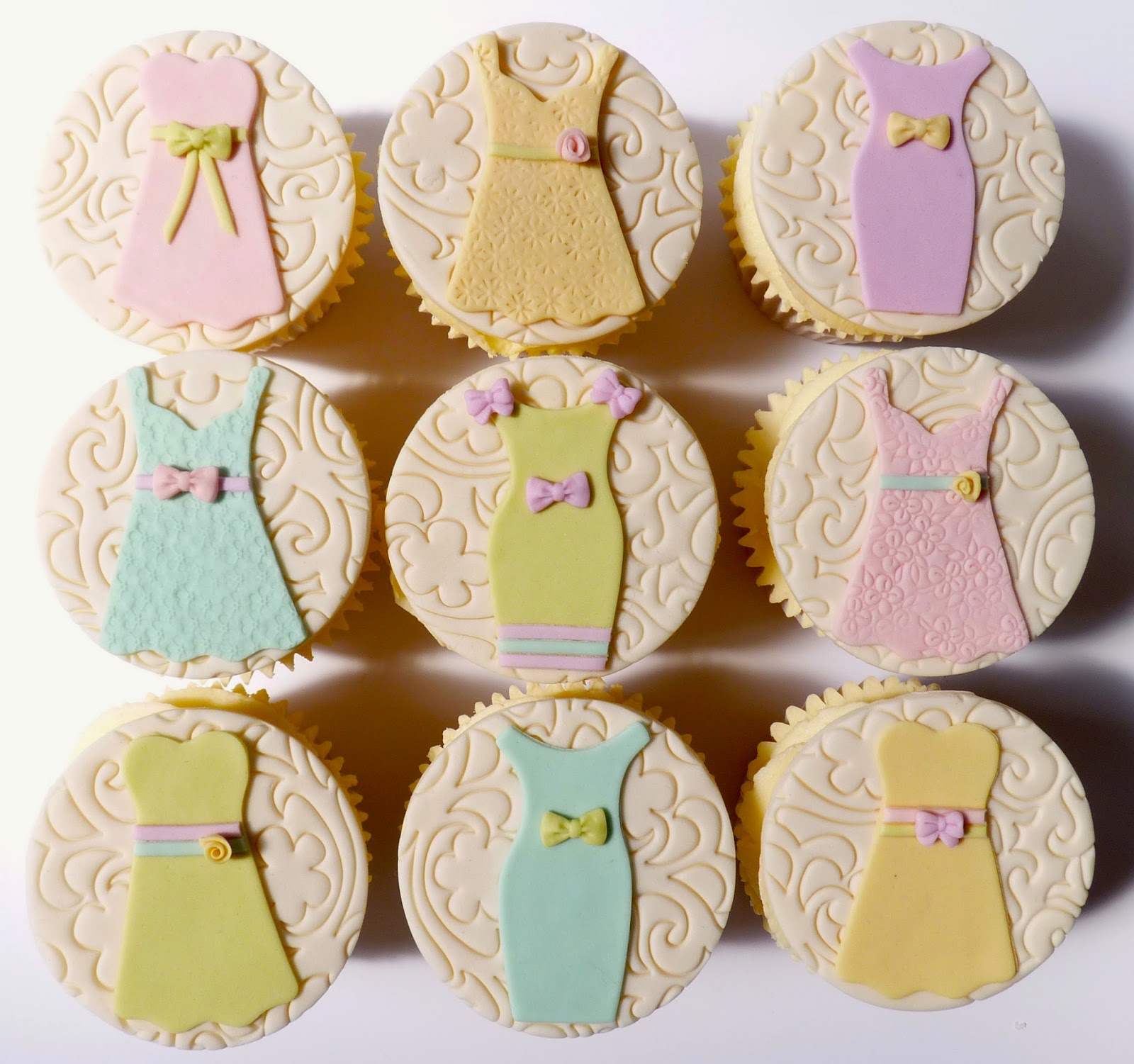
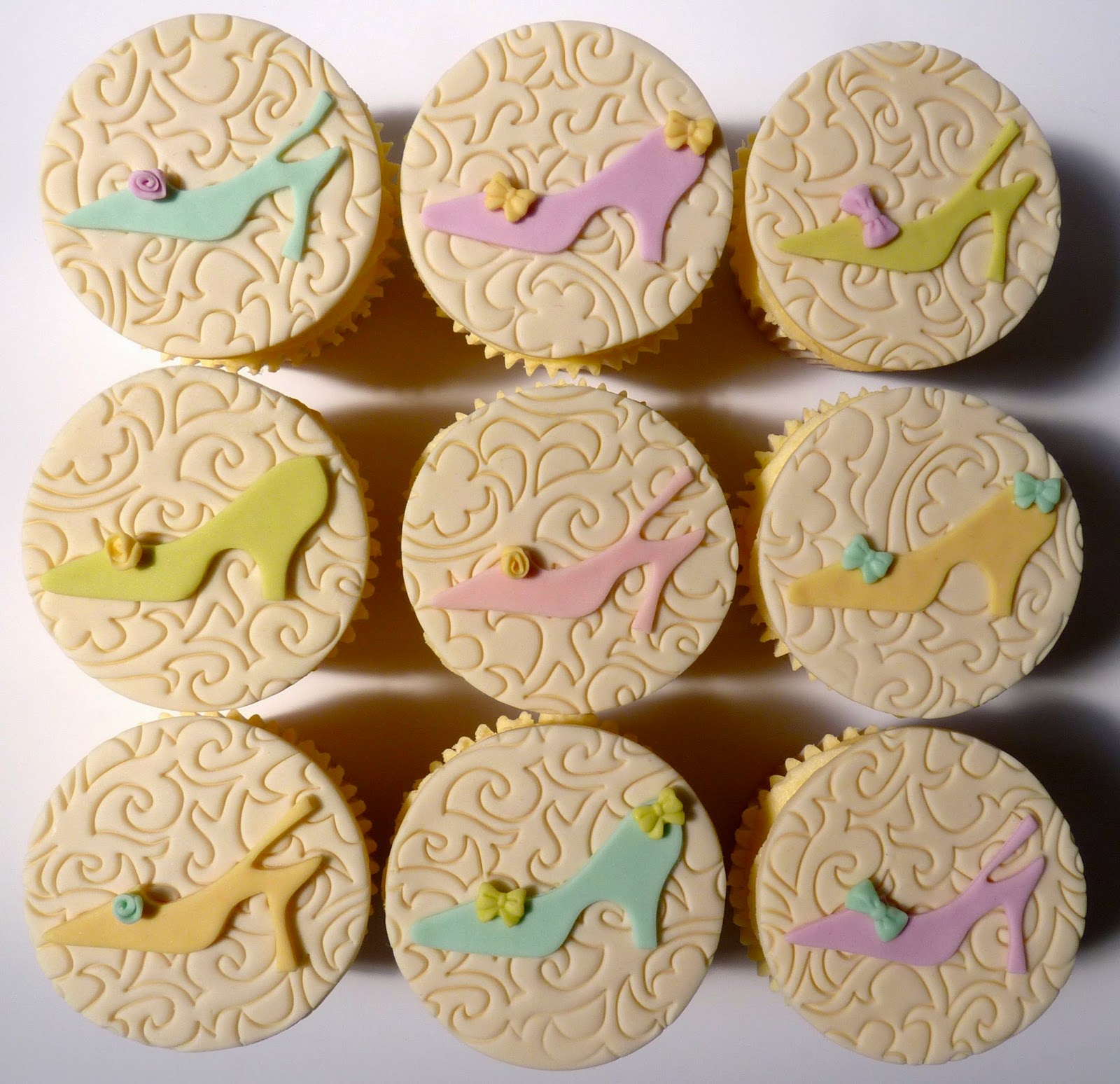
The sun is shining.  Time to bring out some pretty summer dresses and co-ordinating shoes.  To me, these look like an LK Bennett shop window.  Pretty girly frocks, in beautiful soft pastels, with gorgeous shoes embellished with flowers and bows.
To make your own outfit, first choose a pretty dress… 
And then select some co-ordinating shoes.
 
The ladies at the Sewcial last night were choosing their favourites whilst whipping up their own gorgeous dresses and summery tops (and a few cushions and quilts, for good measure).  Well done!